
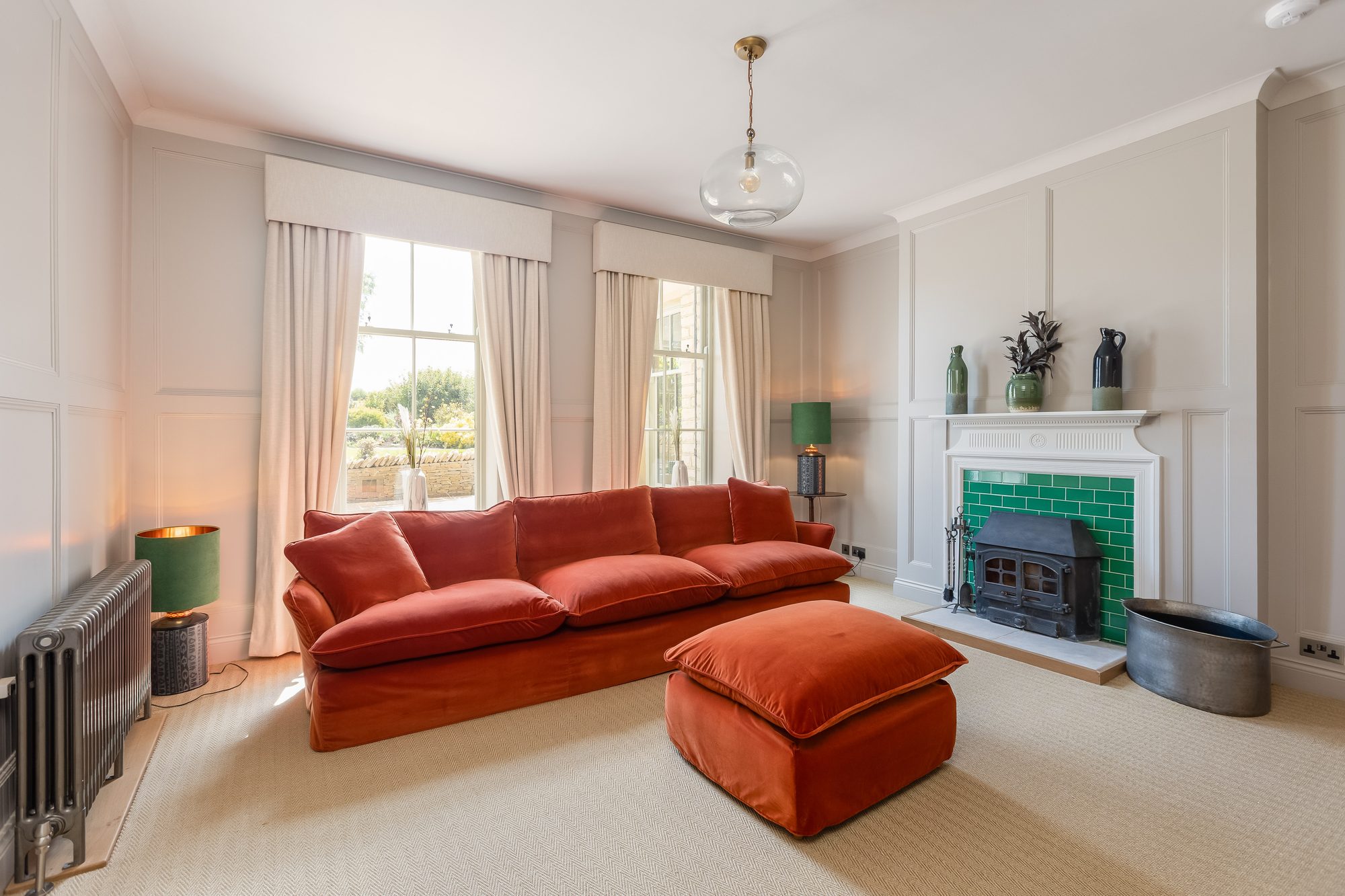
An interior designer in the UK usually charges by the hour, a fixed fee for a defined project, or a percentage of the project cost, and some offer a set price per room. A 2026 UK guide from Rossi Studio puts hourly rates at £50 to £450 and percentage fees at 5 to 15 per cent, with London designers at the top of those ranges.
I’m often asked about cost before anyone has seen the house, so here’s how designer fees work, what they include, and which parts of a renovation add extra on top.
How do interior designers charge?
- By the hour. Useful for advice, a colour consultation or a small job. Rossi Studio gives £50 to £450 an hour.
- A fixed fee. Agreed up front for a defined project, such as a single room. Rossi Studio gives £500 to £10,000+.
- A percentage of the project cost. Common for larger renovations and whole houses. Rossi Studio gives 5 to 15 per cent.
- Per room. A set package for each room, which Rossi Studio puts at £500 to £5,000+ depending on what’s included.
How do I charge?
I don’t work from a price list. Every house and every brief is different, so I talk through what you need first, then set out the cost clearly before any work starts. You’ll know what you’re paying before you commit to anything.
What’s included in the design?
The design covers the layout, colour, furniture, lighting, fabrics and finishing touches, plus sourcing and ordering everything so the plan can actually be bought and built. If you’d like me to run the builders and trades as well, I can manage the whole project. Read more about interior design and project management.
Can a designer save you money?
A designer is a cost, but a good one stops expensive mistakes. Common ones are a sofa that won’t fit through the door, sockets in the wrong place once the plaster is up, or trades sitting idle because something wasn’t ordered. When every room is planned together, decisions get made once, not twice.
What adds extra to a house renovation?
The design fee is only part of the picture. These are the things that add to the cost of the work itself, so it’s worth knowing about them early.
- Kitchens, supplied and installed. What’s The Damage gives £5,000 to £30,000+ for a new kitchen.
- Bathrooms and en-suites. The same guide gives £3,000 to £20,000+ for a bathroom.
- Structural work. Moving walls, extensions and new openings add builders, engineers and time.
- Rewiring, plumbing, heating and damp. The work you won’t see at the end, but which comes first.
- Listed or period features. Listed building consent, specialist trades and matching materials all take extra time and care.
- Joinery, flooring and finishes. Bespoke joinery and higher-spec tiles and fittings can change the cost of a room without changing its size.
Where you live makes a difference too. What’s The Damage puts building costs in the North of England at 5 to 20 per cent below the national average.
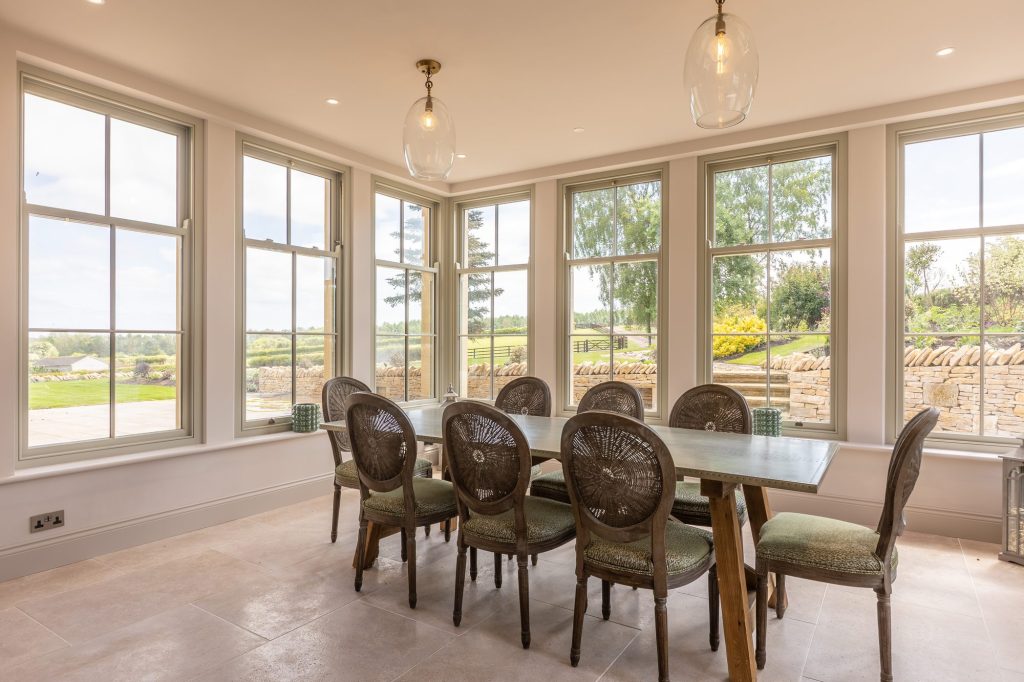
How much contingency should you keep back?
Most guides recommend keeping back 10 to 15 per cent of the total budget. In older houses, I’d plan to use it. Once the floors come up and the plaster comes off, there’s nearly always something nobody could have seen at the start.
How do you keep a renovation on budget?
- Agree the whole plan before work starts, room by room.
- Set your contingency at the start, and keep it for surprises, not upgrades.
- Order anything with a long lead time early, like kitchens, joinery and some tiles.
- Have one person own the timetable, so trades aren’t paid to wait.
- Change your mind on paper, not on site.
Planning a renovation in Yorkshire?
If you’re starting to plan a whole-house project, have a look at my house refurbishments or house refurbishment in York. Or get in touch and tell me about your house.
Cost figures are from the sources linked above, checked in October 2026. They’re national guides, not quotes, so always get prices for your own house.